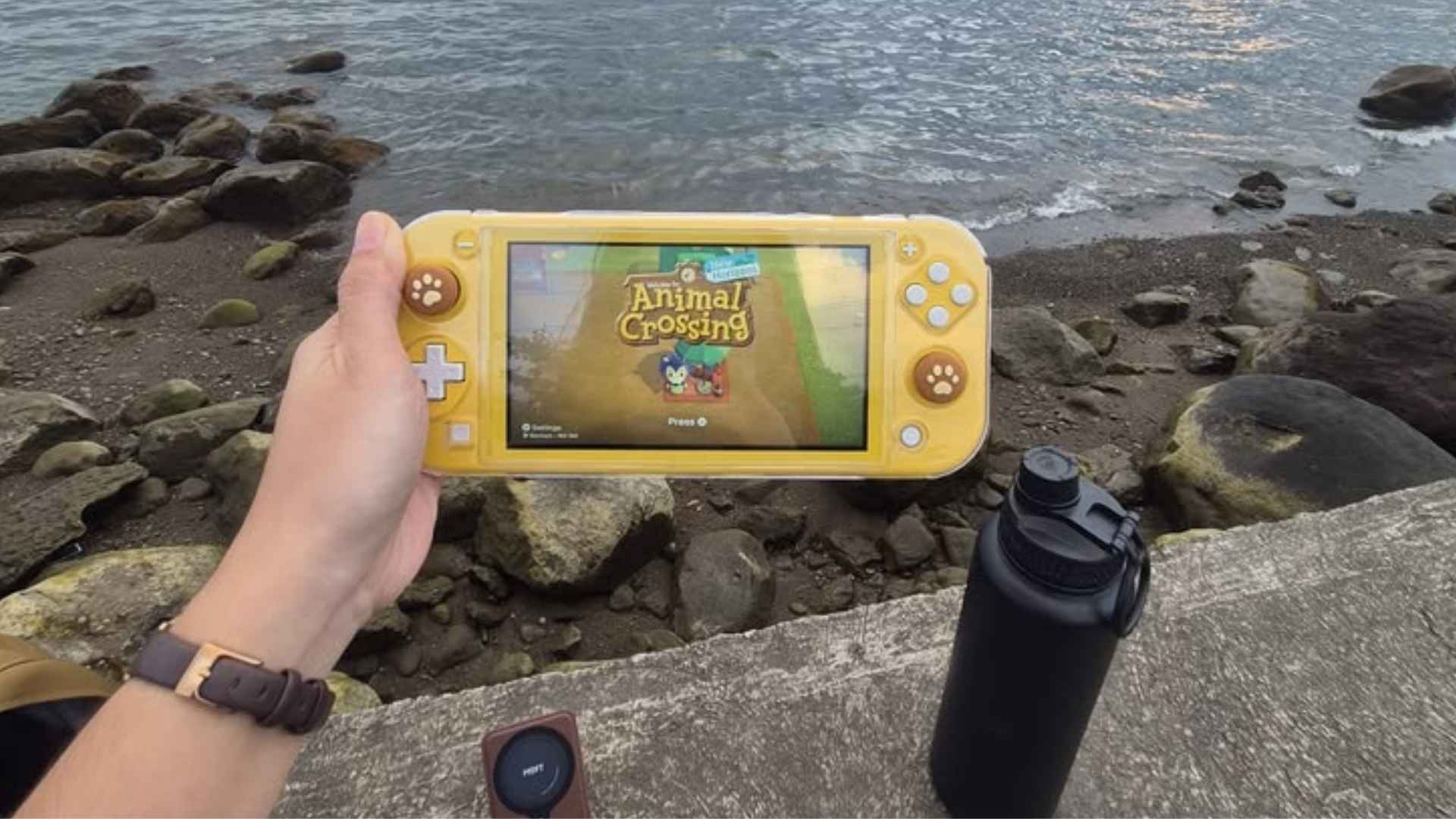
Traveling through remote regions or commuting through areas with weak network coverage can make online gaming frustrating. Fortunately, smartphone card games offer a reliable solution for mobile entertainment when high-speed internet is unavailable. Understanding how these games operate offline helps players maintain uninterrupted gaming experiences wherever they go.
The Advantage of Offline Card Mechanics
Digital card games excel in low connectivity environments because their core mechanics rely primarily on local rules and turn-based logic. Unlike fast-paced action titles that demand continuous real-time server communication, card games process moves directly on your device. This design minimizes data requirements and prevents unexpected game crashes when signals drop.
Many offline deck-building titles allow players to download all necessary assets in advance. Once installed, these games run seamlessly without checking for server authorization after every single turn. This makes them ideal for long flights, subway rides, or rural road trips.
Managing Mobile Data and Syncing
Modern mobile card applications often feature asynchronous modes that function well on unstable networks. These systems save your turn progress locally and sync with online servers only when a stable connection becomes available again. Players interested in exploring online gaming platforms like m88 thai often look for optimized interfaces that handle low-bandwidth conditions smoothly.
To avoid unnecessary data consumption while traveling, gamers can disable automatic background downloads in their device settings. Pre-loading asset updates while connected to home Wi-Fi ensures that all card artwork and campaign content are ready for offline play. This proactive approach saves cellular data while preserving battery longevity.
Top Single-Player Modes for Weak Signals
Single-player campaigns and roguelike deck builders are specifically crafted for offline engagement. These modes offer deep strategic decisions, dynamic enemy encounters, and extensive replayability without requiring an active network. Players can test intricate synergies and refine tactics at their own pace.
AI-driven opponents have advanced significantly, offering challenging gameplay that rivals real human players. With varied difficulty settings and customizable rules, offline modes ensure that players stay mentally engaged regardless of their geographical location.
Optimizing Device Settings for Traveling Gamers
To maximize gaming sessions in regions with spotty cellular coverage, adjusting smartphone power settings is highly beneficial. Searching for weak signals drains battery power rapidly as the device constantly attempts to reconnect to cell towers. Switching your phone to airplane mode while keeping offline games open extends battery life significantly.
Storing digital card titles on internal storage rather than external memory cards also improves load times and performance. With minimal preparation, smartphone card games remain one of the most accessible and entertaining pastimes during travel.