The fast-paced evolution of modern digital entertainment often leaves players focused entirely on the latest graphic upgrades and high-speed mechanics. However, exploring the foundational roots of tabletop customs and older regional variants reveals the true mechanics that still govern our favorite pastimes. Understanding where these structural traditions originated allows contemporary enthusiasts to appreciate the depth of today's complex gaming landscapes.
The Social Foundation of Early Gaming Rooms
Long before automated networks and digital lobbies isolated players behind individual screens, traditional card games thrived on direct face-to-face engagement. Early European gaming salons were built around human connection, shared operational duties, and communal risk management. This physical arrangement transformed basic numerical calculations into intense psychological contests driven entirely by personal choice.
In these historic settings, rules were flexible and frequently shifted responsibilities across the table to maintain fairness and trust. Participants had to rely on constant environmental awareness and keen observation to navigate the subtle rhythms of each round. This interactive environment fostered a deep sense of social accountability that modern automated systems rarely replicate.
How Vintage Elements Shape Modern Algorithms
Many of the strategic systems driving contemporary digital platforms are direct adaptations of century-old probability models. For instance, the mathematical tension behind drawing a third card or chasing specific numerical totals traces back to early French and Italian betting houses. Modern developers rely heavily on these time-tested frameworks to create balanced, engaging software experiences for global audiences.
While contemporary users enjoy unmatched accessibility and rapid transaction speeds, the core entertainment value remains rooted in traditional risk allocation. Exploring an insightful m88 review highlights how online hubs successfully integrate these vintage card-comparing mechanics with streamlined platform features. This successful transition ensures that the historical appeal of strategic decision-making stays intact across digital formats.
Preserving Tactical Freedom in a Digital Era
The shift toward fully automated gameplay has undeniably simplified the learning curve for newcomers entering the scene. However, relying too heavily on automated hints and automated score calculations can occasionally diminish a player's strategic development. Studying traditional history reminds enthusiasts of a time when manual mental arithmetic and spatial positioning dictated every choice.
Veteran players recognize that true expertise comes from interpreting real-time conditions rather than merely tracking rigid statistical patterns. By uncovering how previous generations managed high-stakes decisions without digital shortcuts, modern players can build a more versatile approach to risk management. This historic perspective transforms a casual hobby into a profound exercise in tactical discipline.
The Timeless Appeal of Shared Participation
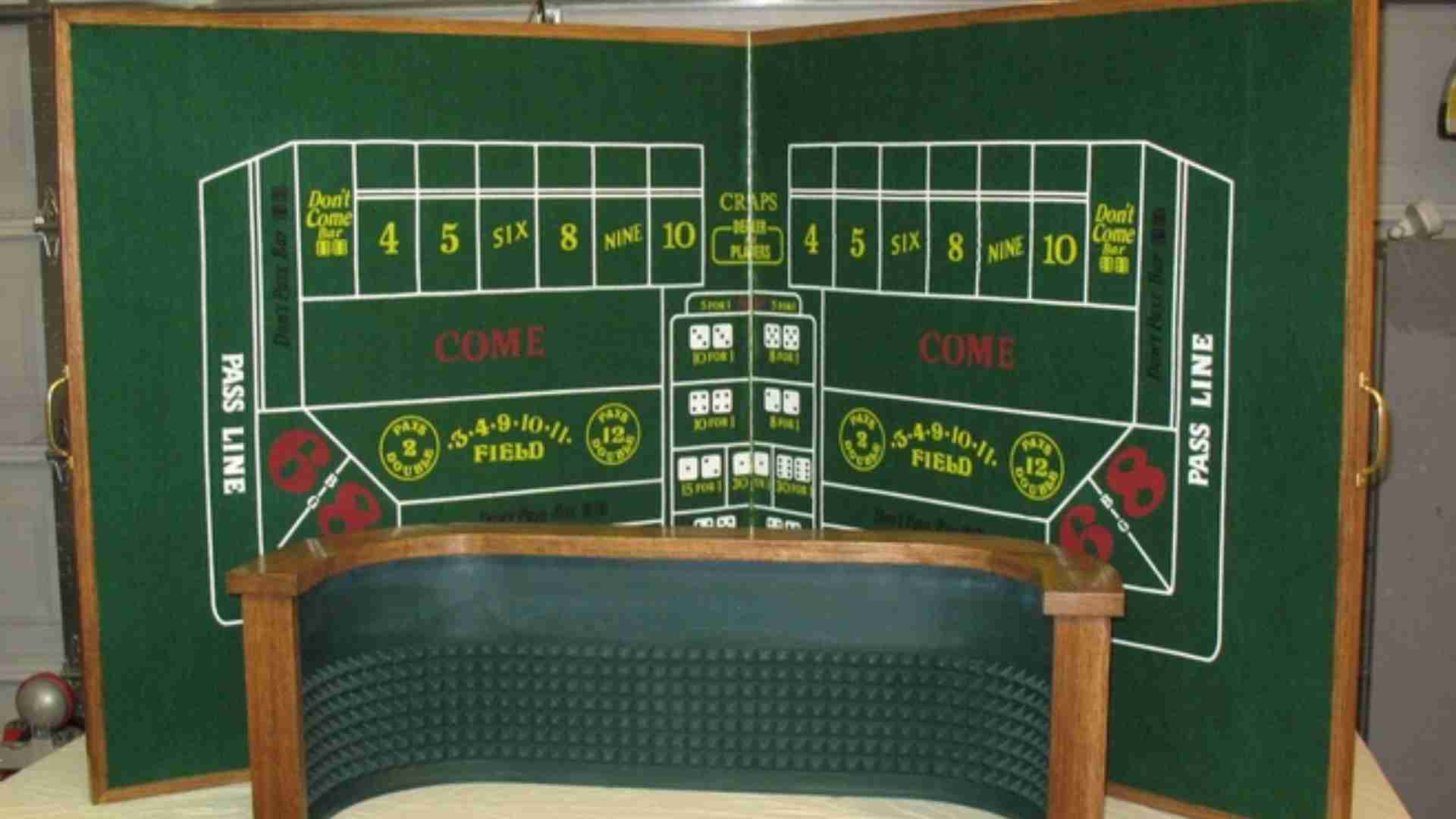
Ultimately, traditional gaming history matters because it highlights the enduring human elements that make recreational pastimes so captivating. Whether gathering around an elaborate physical layout or connecting through a mobile application, the desire for competitive interaction remains identical. Recognizing this historical continuity enriches our connection to the global entertainment community.
Uncovering old table customs provides valuable context that elevates our enjoyment of contemporary platform variations. By understanding the historical journey from exclusive regional salons to widely accessible networks, enthusiasts gain a complete view of casino culture. Embracing these foundational traditions ensures that the spirit of classic play continues to thrive for generations to come.