The landscape of modern gaming has shifted dramatically toward interactivity, giving rise to unique mechanics that prioritize player choices and imagination. Among these innovations, wheel-based entertainment has broken away from traditional constraints to offer highly dynamic and custom options. Developers are completely reimagining how a spinning pointer can trigger multi-layered narratives and unexpected progression routes rather than basic wins.
The Rebirth of the Spinning Wheel
Traditional wheel concepts usually relied on static layouts where participants simply watched a indicator slow down. Modern studios have turned this mechanic on its head by integrating progressive triggers, changing paths, and interactive sub-games into the main wheel interface. This creative approach keeps the audience highly invested, as no two full rotations yield the exact same path or outcome.
By introducing thematic layers and narrative elements, these titles challenge the traditional definition of chance-driven leisure. Players are no longer passive observers; instead, they navigate expanding sectors that open up deeper strategy mechanics. This evolution proves that simple mechanics can serve as the foundation for highly sophisticated and memorable virtual adventures.
Blending Customization with Interactive Elements
One major trend in this category is allowing users to influence the design and structure of the board prior to activation. This specific style allows for personal risk assessment and strategic planning, making the experience feel uniquely personal. When users can determine which segments hold greater weight, the relationship with the interface becomes far more active and thoughtful.
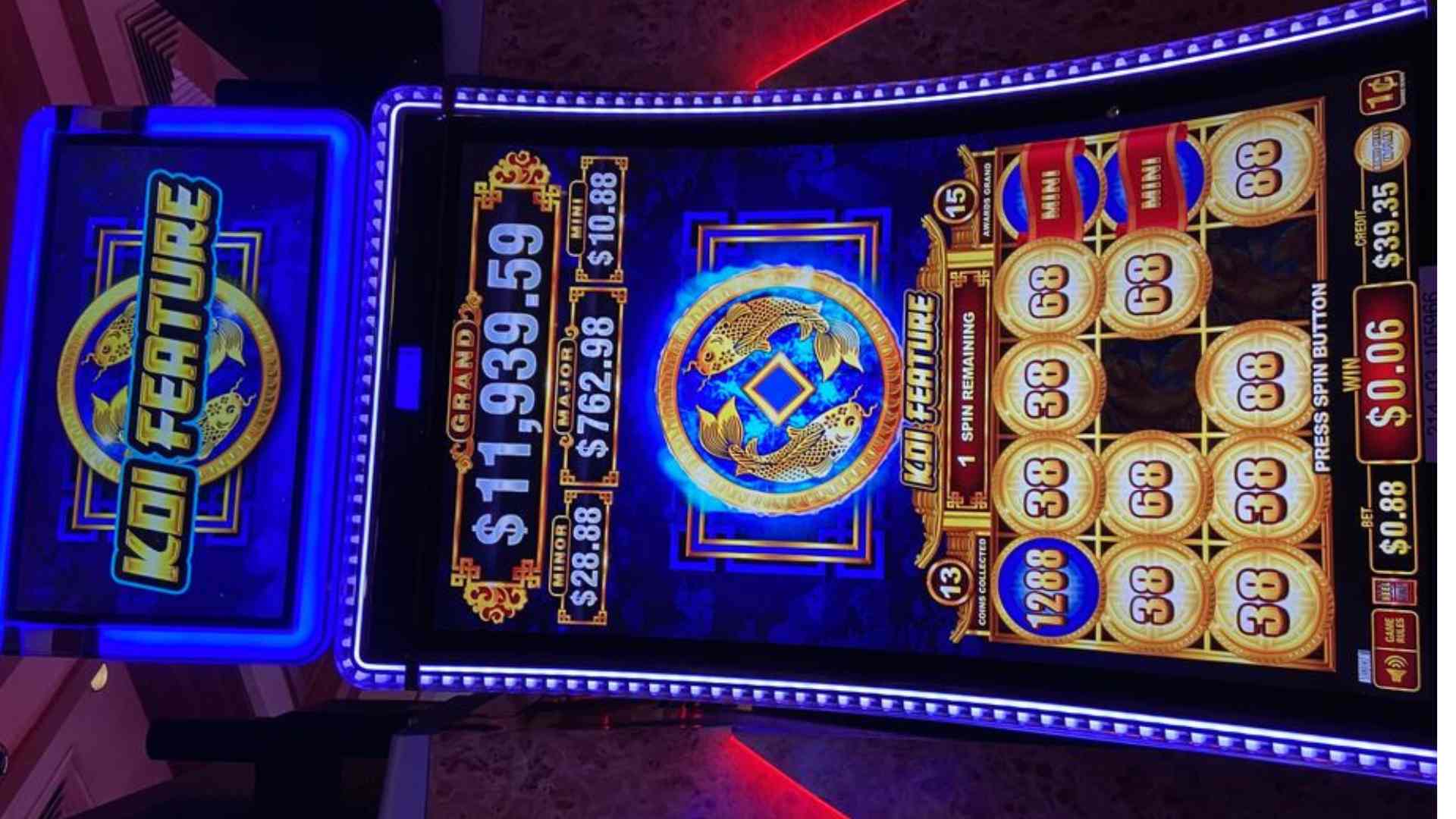
This level of player agency has successfully bridged the gap between classic design and modern video gaming. Enthusiasts who enjoy exploring deep custom options often search for reliable environments to test out creative gaming frameworks. For instance, exploring the mechanics of a modern M88 slot variant demonstrates how today's systems seamlessly mix classic reel features with interactive bonus wheels.
The Psychology of Layered Mechanics
Audiences respond positively to complex designs because they trigger an elevated sense of anticipation and accomplishment. When a spin leads to a mini-game rather than a flat payout, it introduces a fresh wave of engagement that breaks up repetitive cycles. This multi-tiered structure is essential for maintaining long-term interest in highly competitive modern entertainment markets.
Furthermore, visual design plays an equally vital role in making these complex variations approachable for new participants. Bright color palettes, smooth animations, and real-time community scoreboards help translate intricate rules into accessible, immediate fun. Ultimately, the sweet spot lies in keeping the core motion familiar while letting the results branches grow into imaginative territory.
Looking Toward the Future of Spin Systems
As virtual and augmented reality frameworks mature, the potential for immersive spinner environments continues to expand exponentially. Future titles will likely let users physically step inside massive digital mechanisms, turning a basic screen action into an entire environmental experience. This progression will push creative boundaries even further, securing the wheel's place in digital culture.
By putting interactive storytelling and unique paths at the absolute forefront, current developers ensure this genre remains incredibly sustainable. Balancing pure probability with custom agency satisfies the contemporary craving for impactful and memorable gaming experiences. Embracing this balance is what truly sets modern creative spinner platforms apart from their historical predecessors.